Mar 31, 2026 | Blogs
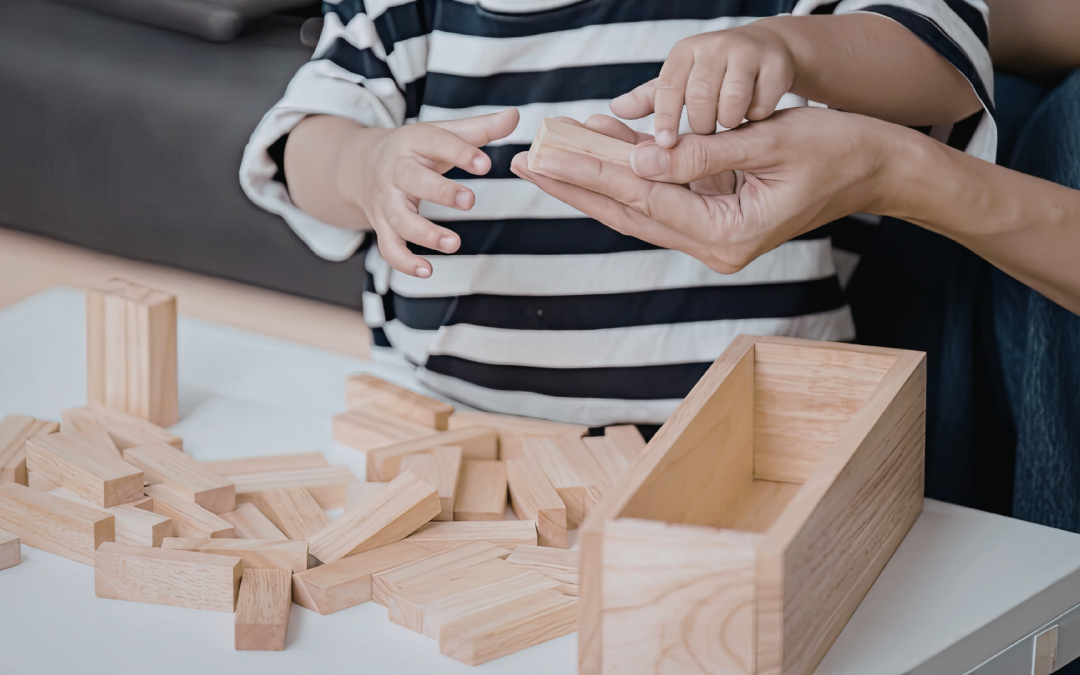
How often do we stop to consider the normality in our usage of the term ‘normal’ in everyday language, beyond developmental expectations? For example, when a teacher pauses mid-sentence and says, “Let’s try to behave normally.” A parent who lowers their voice in...

Mar 5, 2026 | Blogs
What if we told you that most adult–child conflicts don’t start dramatically? They start on, say, any ordinary day. For example, you might be running late on an already tight morning. You ask your child to put on their shoes. They don’t. You ask again....
Feb 4, 2026 | Blogs
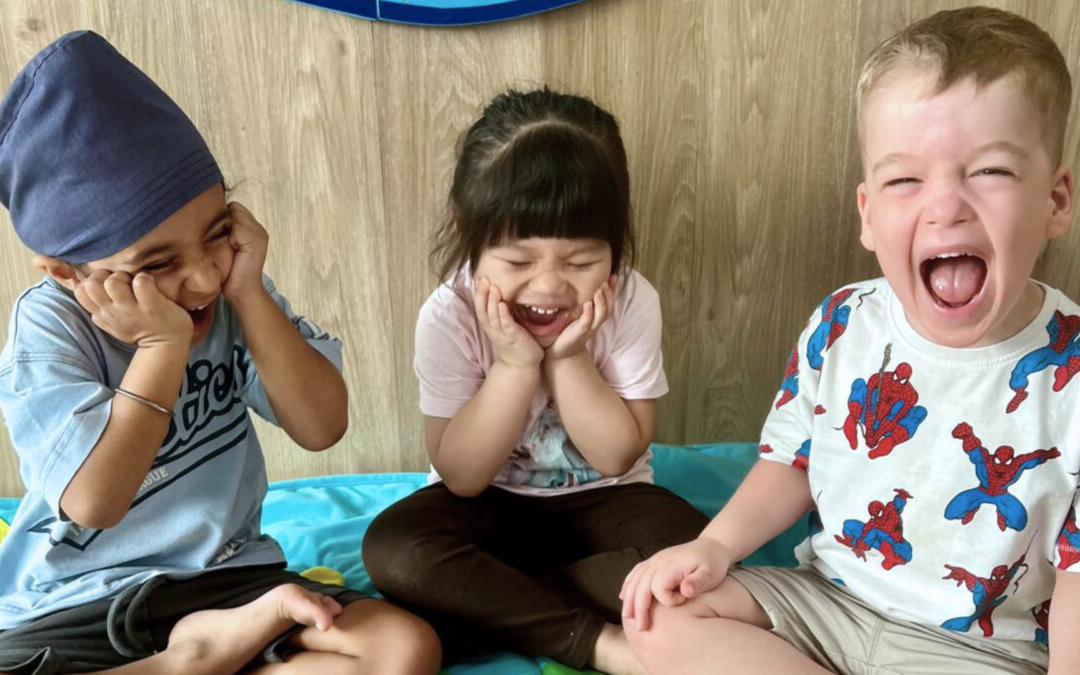
Joy doesn’t usually make it into conversations about education. We talk about outcomes, and rigour, and readiness. We certainly talk about results. We talk about resilience, grit, focus, and discipline. We even talk about future-proofing children for a world we admit...

Jan 9, 2026 | Blogs
“High energy” is one of those phrases a lot of adults use as shorthand. It sounds neutral, even affectionate, but it often carries an undertone of concern. But before a child is ever described as “high energy,” there’s usually a trail of small, familiar moments we’ve...

Nov 25, 2025 | Blogs
There’s a line in that rarely makes it into parenting books, but it should: If a parent sees their child as difficult, this perception alone can shape that child’s behaviour more powerfully than the child’s actual temperament or actions. Not the child’s temperament, a...
Nov 1, 2025 | Blogs
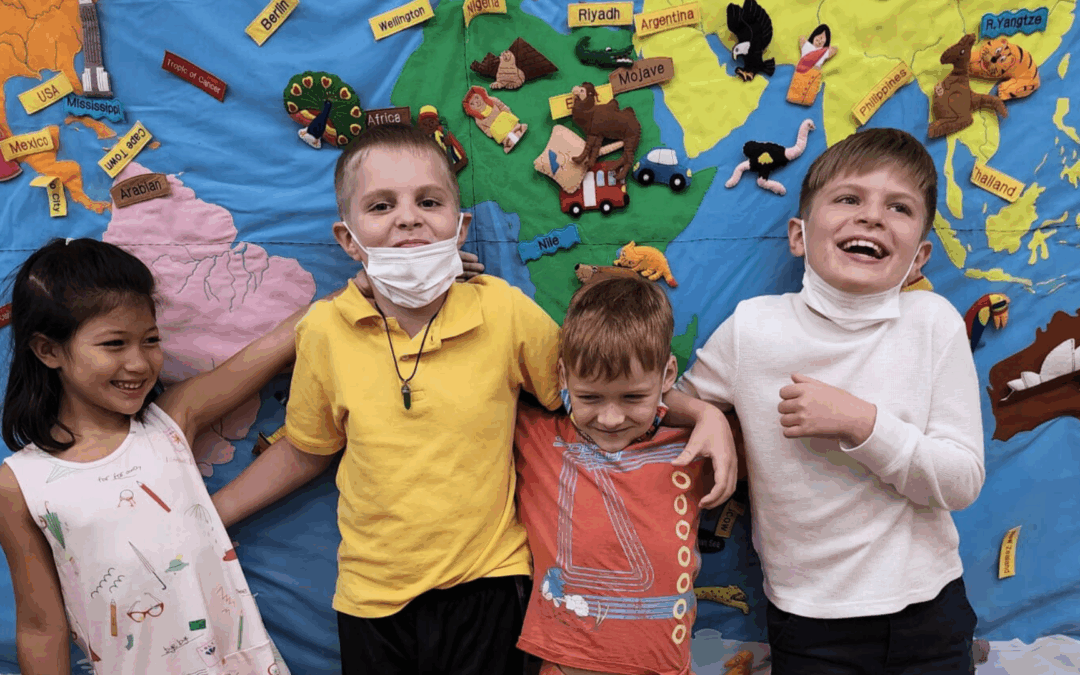
We tend to think of learning as something that only happens in the brain. Reading, reasoning, and remembering all sound so intellectual and cognitive. But in truth, it often begins in the body. Before a child can absorb a lesson, they need to first feel safe enough to...