
Sep 4, 2026 | Blogs
There are certain children adults tend to find “easy” to be around. They sit when asked. They say hello when prompted. They move through their routines without much fuss and can get through a family gathering without turning the afternoon into a negotiation. They...

Aug 6, 2026 | Blogs
That moment that happens in almost every parent’s life doesn’t announce itself as anything significant until you’re already in it. Your child is doing something perfectly ordinary — climbing a little higher than you’d like at the playground, having a meltdown in the...

Jul 2, 2026 | Blogs
“How can I help my child become the best version of themselves?” Now there’s a question that we hear a lot in modern parenting. On both a direct experience level and a philosophical one that looms over parents collectively. It sounds like a beautiful aspiration. It...
Jun 10, 2026 | Blogs
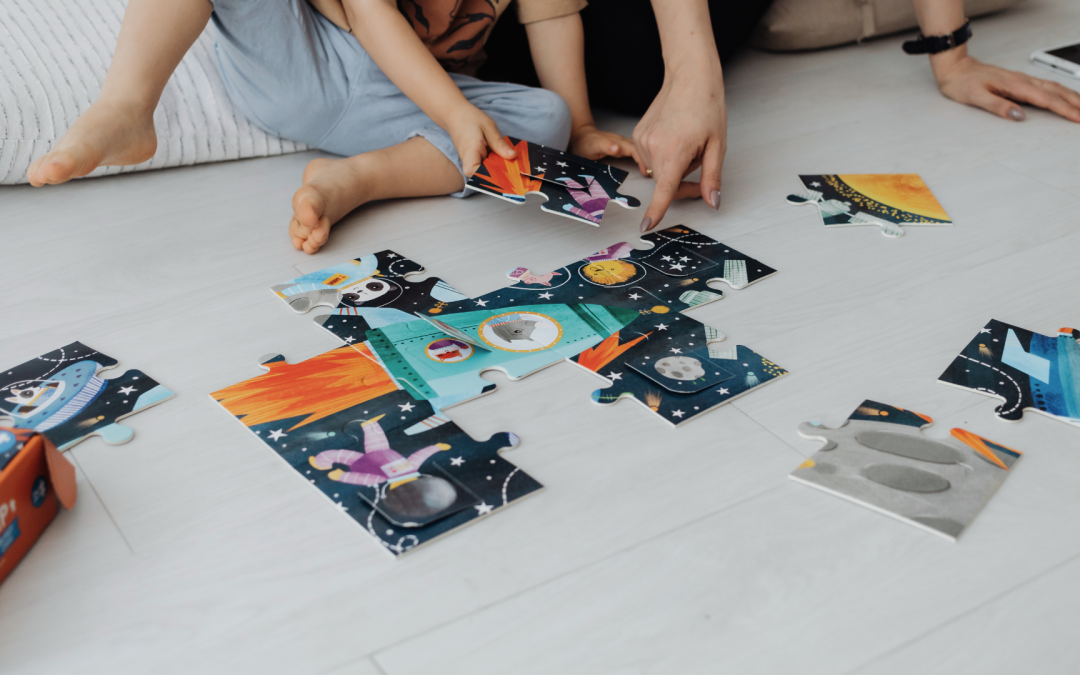
One of the strangest rabbit holes about modern parenting is how easy it is to confuse devotion with supervision. Some parents spend hours researching schools, monitoring screen time, checking homework portals, planning nutritious meals, and thinking constantly about...

May 7, 2026 | Blogs
Like many of the scenarios we’ve encountered at Imagine If over the years, “it” rarely happens all at once. A child who used to throw themselves into activities suddenly hesitates before starting. Homework that once felt manageable now ends in tears...
Mar 31, 2026 | Blogs
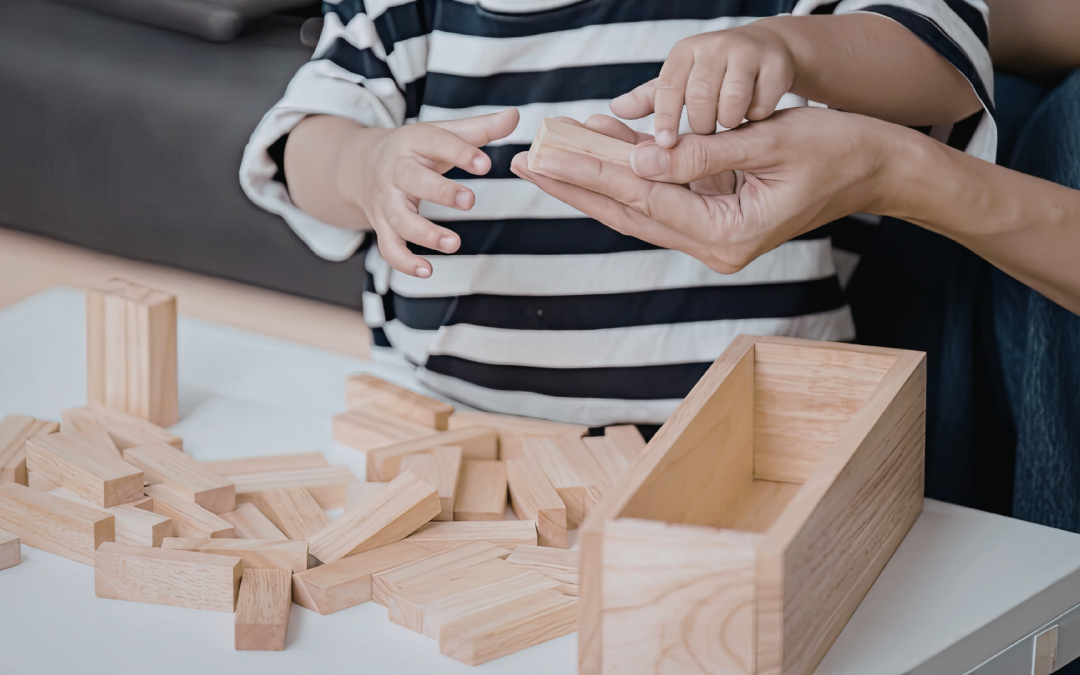
How often do we stop to consider the normality in our usage of the term ‘normal’ in everyday language, beyond developmental expectations? For example, when a teacher pauses mid-sentence and says, “Let’s try to behave normally.” A parent who lowers their voice in...