
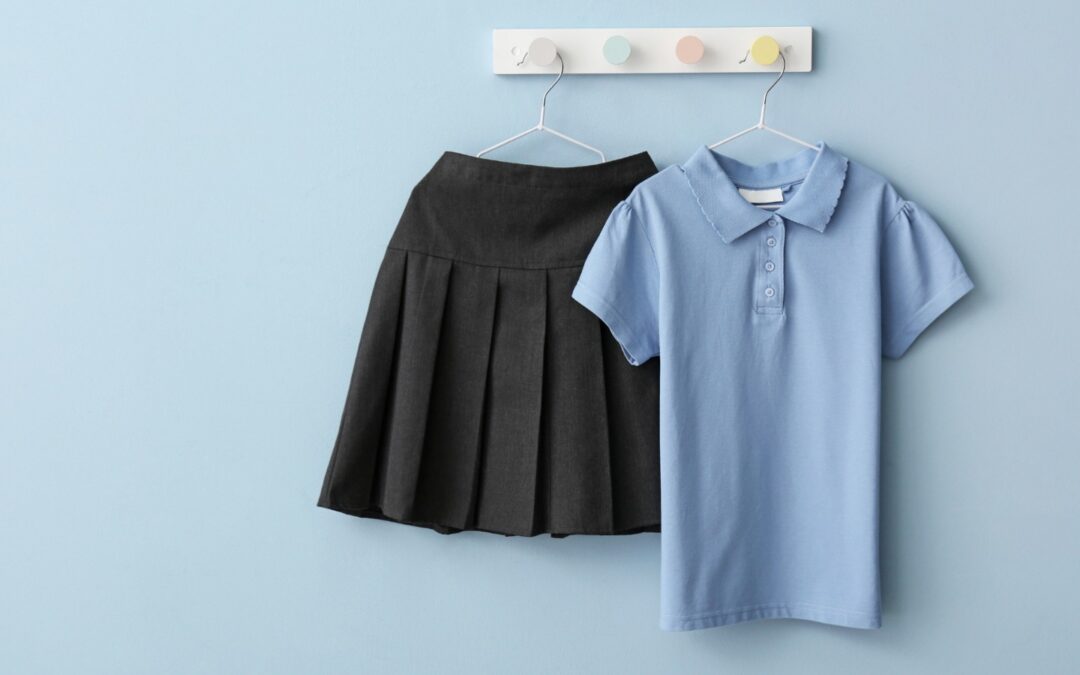
The tales are almost identical when we hear of penalties imposed on school kids: detentions for lateness, wearing the wrong socks in their school uniforms, not having a proper haircut, or their attention waning during class–escalating to isolation if kids don’t comply. But there is a better way, proudly exemplified by us at Imagine If, where prioritising respect, autonomy, and genuine engagement to allow everyone to thrive is more than possible.
So normalised it has been that most of us won’t give this a second thought, but all the stories you’ll ever hear of a school implementing extreme behavioural policies in the name of “rules and consequences” form the fabric of schooling itself. It’s often glorified to teach children how to comply and become the “rule-abiding” citizens they should aspire to be. Meanwhile, teachers, under immense pressure to enforce these rules, face penalties for any leniency as well.
The results: kids start to hate school, parents begin to protest, and teachers describe a toxic environment but are too scared to speak out publicly.
Why are schools around the world so obsessed with punishing kids for the tiniest infractions?
Enter the Broken Window theory. Originally about policing, it suggests that fixing minor signs of disorder—like broken windows—prevents bigger problems. Applied to schools, it has turned into an obsession with every minor detail of student behaviour and appearance.
But here’s what this mindset fails to understand. Unlike windows, people don’t respond well to being micromanaged. This theory, when used on kids, often leads to resentment and rebellion, not respect and order. The notion that strict enforcement of tiny rules will stop bigger issues is flawed, especially with young people.
In some schools, this form of nitpicking has become an obsession. Morning line-ups, uniform inspections, no socks over tights, rulers for tracking reading—these petty control measures are seen as crucial to improving behaviour. When parents raise concerns, schools insist these small rules are essential. It’s unsurprising, considering how we do relinquish some agency when we ‘turn over’ our kids to these institutions and permit them to mind our kids for a giant chunk of their childhood.
In stark contrast, we don’t subscribe to these punitive measures at Imagine If. Instead, we create environments that truly uphold learners’ autonomy, sense of capability, and belonging.
Coming back to the result, however, is this: schools start seeing problems everywhere. Once normal behaviours are now punishable. This relentless search for “broken windows” leads to unnecessary punishments and a pervasive sense of negativity and pedantry. Honestly–the most rebellious kids (alienated for being ‘problem kids’) who resist these rules are on to something when they scoff at them!
What’s concerning is how these punitive policies turn almost all students into offenders. Even well-behaved kids rack up behaviour marks and detentions. Those who resist end up in isolation quickly, or marked as insolent and problematic. In an anecdote provided to Dr Naomi Fisher, a student recounts how in her large school, only eight students out of hundreds avoided behaviour marks for an entire year. Imagine the pressure that creates.
Students, and children, feel they are only noticed when they do something wrong. The constant scrutiny and punishment create ripe conditions for anxiety and resentment to fester–undermining any potential benefits of strict discipline we’re told is for their own good. And teachers face this immense pressure too, leading to stress, high turnover rates, and a demoralized workforce. The reality of these overzealous policies speaks for itself.
The downward spiral of petty control continues to worsen, still. For those who push back, things get worse. They understandably resist petty control measures, leading to more infractions and harsher punishments. Minor issues escalate into significant problems as these kids feel increasingly marginalised and misunderstood. Instead of creating this discipline schools so want, these policies just encourage a cycle of defiance and punishment. Don’t get us wrong, however: defiance can be healthy. But when it’s weaponised against children to punish, it reveals the problematic culture of using defiance to build compliance that seems so desirable to schools.
Working with the insight into how children tick as we do at Imagine If, we know that children are naturally inclined to explore, question, and, at times, resist. It’s a part of growing up and asserting their individuality. However, when schools focus excessively on minor infractions, they challenge this intrinsic right to autonomy. Kids inevitably push back. They resist the petty control measures imposed on them because, deep down, they yearn to make some choices in their lives when thrown into an environment that already feels disempowering. It’s their way of saying, “I have a voice; it matters.”
And matters, it does. It should. Yet, in the eyes of overly strict school policies, this resistance is met with more punishment. A student wears the wrong socks and ends up in isolation. This cycle of minor infractions leading to punishment creates a negative feedback loop. For kids who naturally resist such control, it spirals into an endless series of sanctions. They are continually pulled up for trivial matters, and their defiance grows stronger.
This not only fails to address the underlying issues but exacerbates them. The small stuff gets bigger and bigger. Where there were once minor infractions, we now see behavioural problems. Kids who could have thrived with a bit of autonomy and trust instead fall apart under the constant pressure. The school’s strategy to maintain order turns into a strategy of creating chaos. Every minor rule becomes a potential breaking point, every infraction a step closer to a child’s disengagement from the educational system.
Then, to top it all off, these kids are villainised for being “problem students beyond saving,” once they’ve completely rejected an environment that (and there’s no escaping this term) subjugates them and then demands respectability. It’s a transparently sad power struggle, mainly on the part of the institutions that wield the authority to even do any of this. We know this firsthand–the fallout of this is just one example out of many others that we’ve witnessed has alienated kids from their educational experience on an intrinsic level, when they’ve come out of it.
So, by focusing on enforcing these trivial rules, schools undermine the very essence of a child’s right to autonomy and self-expression. Instead of nurturing responsible, independent individuals, these policies churn out stressed, resentful students who feel they have no stake in their own education. The insistence on uniformity and compliance sends a damaging message: your individual needs and perspectives do not matter.
If we wouldn’t stand for this as adults, why do we expect our children to? Does their sense of agency and their right to it mean so little to us as a society that this is normal?
The more the school tries to crack down on these “broken windows,” the more shattered glass they create.
Kids rebel, not because they are inherently troublesome, but because they need to feel in control of their own lives. We also know that children are products of their environment, do we not?
Ultimately, this isn’t just about kids wearing the wrong socks. It’s about respecting children as individuals with their own rights and voices. It should be about creating an environment where they feel valued and understood, not controlled and punished. At Imagine If, we don’t practice the use of uniforms, for example, alongside our refusal to use negative reinforcement and fear to motivate our learners into behaving ‘right.’ Our learners show up as they are, as they should. The rewards behind the simple principle of honouring their individual needs are insurmountable; honouring their individual needs, for us, extends all the way to encouraging their expression of their individuality. They feel respected, as they should, and everyone wins.
So, imagine children being trusted to make choices, their individuality celebrated, not suppressed, and a place for them where learning is a joyful journey, instead of a series of hoops to jump through to “earn” that enjoyment. This requires a collective shift from prioritising punishment to empowerment, and from control to collaboration–and looking to places that value these principles to begin mending our approach. After all, nurturing spirits is far more important than policing socks. At least, that’s the priority we have in order. And we’re more than content with the result of it.
